

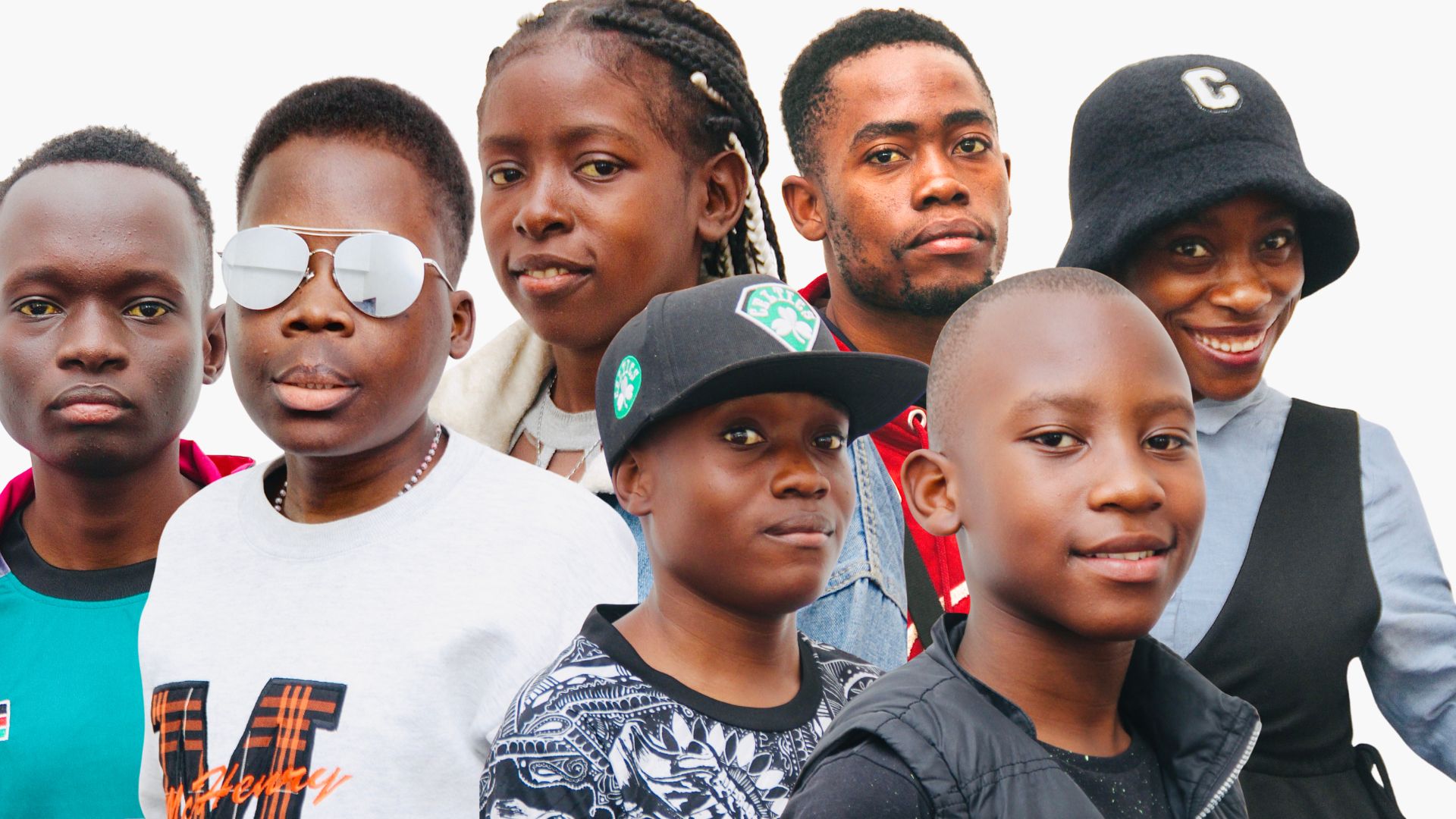
Sickle Cell Awareness
Aje Telo Health Project
Future systems for better care
Sickle Cell: Building Better Support Systems Through Story, Care and Advocacy
Under Aje Telo Health, this project explores sickle cell as a systems challenge as much as a medical one — asking what better support in Africa should look like when awareness, affordability, dignity, caregiving and specialized care all matter at once.
About this conversation
Recorded at the Mama & Baby Care Expo in Nairobi in March 2026, this conversation brings together Sabrina Shirley Oruko, a host with a community health background, and Edwin Masivo, Chairman of the Joanne Chazima Sickle Cell Foundation and Country Director of Global Exhibitions.
The discussion moves from lived experience into advocacy and then into systems thinking. It asks what happens when awareness comes late, when stigma shapes behavior, when caregivers carry impossible burdens, when treatment is expensive and when care spaces are not designed around patient reality.
This is why the conversation matters to Aje Telo. It shows that sickle cell is not only a medical issue. It is also a window into how health systems either support life well or fail people under pressure.
Sabrina Shirley Oruko
Sabrina brings a community health lens to the conversation, helping draw out not only the emotional reality of sickle cell, but also the social and systems questions around awareness, caregiving, support and public understanding.
Three layers of the conversation with Edwin
The Edwin Masivo interview cuts across three layers at once: as a human story, as an advocacy case and as a systems argument.
A human story
A story of love, resilience, caregiving, burden and loss that brings the lived reality of sickle cell into view through family experience.
An advocacy case
A call for greater awareness, earlier diagnosis, stronger caregiver support and wider public understanding of sickle cell.
A systems argument
A case for rethinking care beyond treatment alone, toward screening, affordability, psychosocial support, referral pathways and better-designed care spaces.
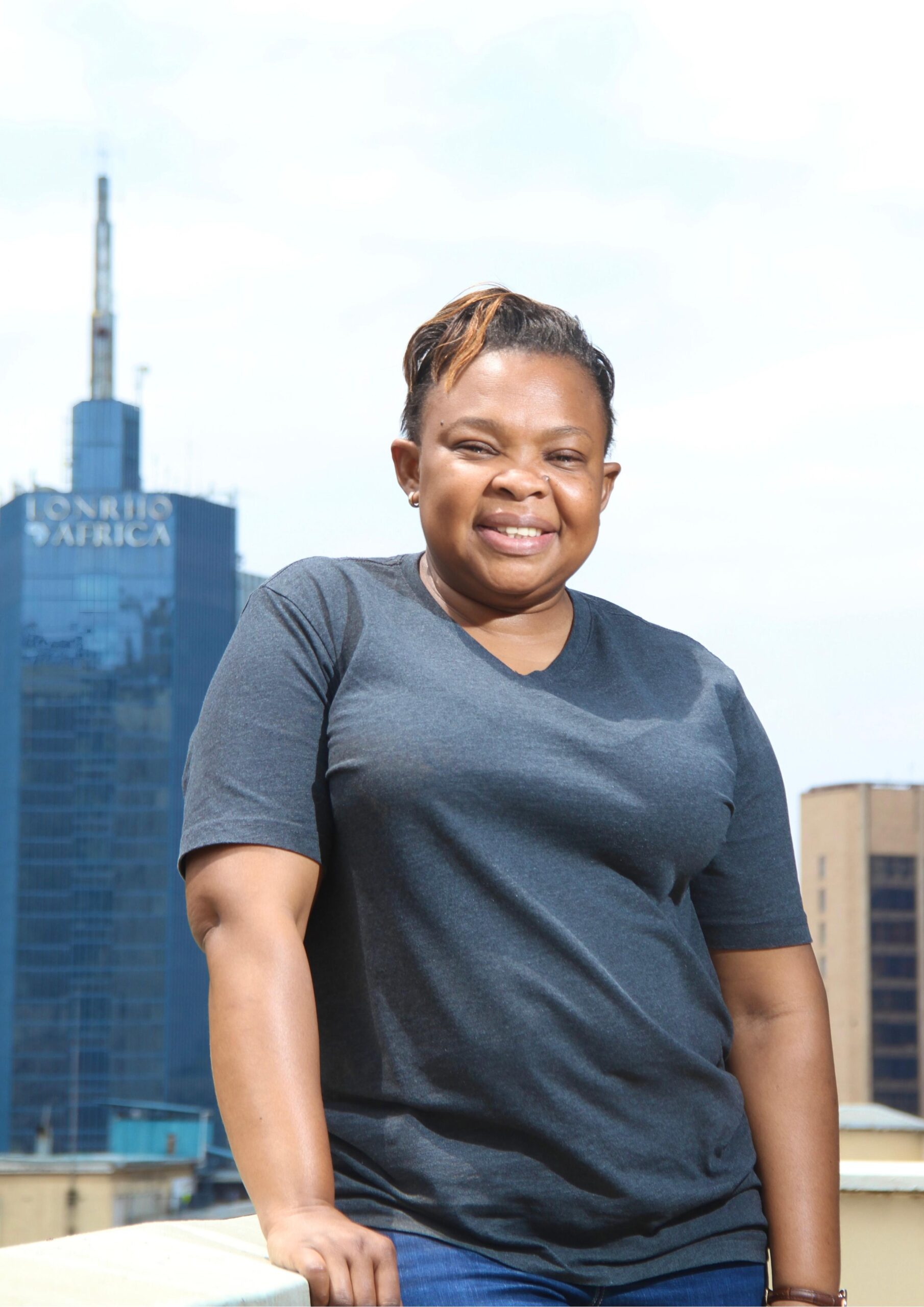
Born 1982 — Died 2025
Joanne Chazima
Joanne Chazima’s life and lived experience sit at the heart of this work. Her journey shaped the advocacy, care philosophy and long-term vision that continue through the Joanne Chazima Sickle Cell Foundation. Her legacy is not only one of endurance, but of imagining better systems of understanding, treatment and support for others living with sickle cell.
What this project points to
Build awareness earlier
Families and communities need better information earlier so symptoms are recognized and myths are reduced.
Support caregivers better
Chronic care places real emotional, financial and practical pressure on families that systems must acknowledge.
Improve access to treatment
Medical cover, affordability and response pathways should not become another crisis when a patient is already in pain.
Design dignified care spaces
Future systems should include environments where patients are understood from first contact through treatment.
Joanne Chazima Sickle Cell Foundation (JCSF)
The Joanne Chazima Sickle Cell Foundation is the strategic partner grounding this project in lived experience, patient advocacy and the realities of families navigating sickle cell in Kenya. Its work helps connect this conversation to real community need, ongoing care support and a bigger vision for more informed and dignified treatment environments.
Support JCSF
Support the Joanne Chazima Sickle Cell Foundation in its work to advance awareness, patient support and better care realities for families living with sickle cell.
Support JCSF